Published 28 August 2025
What to do if your car breaks down abroad
Driving to Europe? Here's how to prepare for your road trip – and what to do in the event of a breakdown.
- How to stay safe if you’ve broken down abroad
- Extra kit you’ll need while driving in Europe
- Call '112' in any EU country in the case of an emergency
While taking the car abroad can be an adventure, there’s lots to think about before you hit the road. One thing to consider is breakdown cover - it’s essential you check with your breakdown insurance company to make sure you're covered in the country you're driving to. Without cover, a breakdown or an accident could be costly.
How to prepare for a European road trip
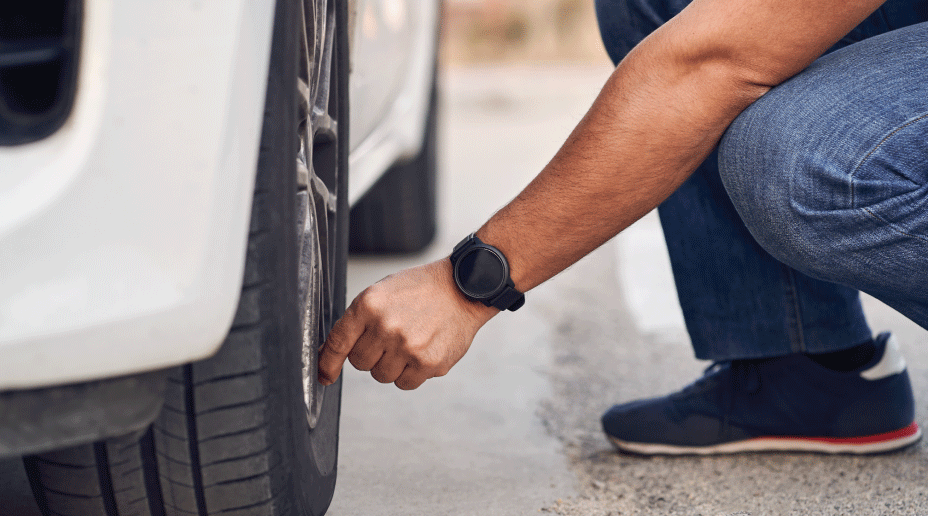
First things first: it’s a good idea to check that your vehicle is up to the task of tackling a long, and potentially arduous trip abroad.
Holidaymakers should also check the road rules of the country they plan on visiting, as some require drivers to pack high-visibility vests and breathalysers.
Also, be aware of toll roads on your route, and make sure you have change handy to pay your way, just in case they don’t accept card payments.
Many motoring retailers and shops aboard popular ferry crossings sell kits that contain a comprehensive list of required safety equipment, but they can be expensive.
Things to keep in mind if you’re driving abroad
- Things to keep in mind if you’re driving abroad
- If you breakdown on the motorway or at a motorway service station in France, you’ll have to call for help from the orange SOS box on the side of the road, or 112 from your mobile
- Recovery agents may not speak English, so you’re best to call your breakdown assistance service first to prevent any problems arising
- Make sure you travel with your driver's licence and the V5 of the vehicle, as most garages will ask for both of these
- It’s illegal in France and Germany to change one tyre on an axle of a vehicle – both tyres on one axle need to be changed
- Only minor repairs are completed at the roadside in Europe
- Drivers in some larger cities in France will need to purchase a ‘clean air’ sticker to indicate the level of emissions a vehicle produces
- Pets are not allowed on ferries crossing the channel unless they’re in a cage within a vehicle
- Before you head off on your road trip to Europe, always check to make sure your car and breakdown insurance gives you the cover you need
Do I need breakdown cover abroad?
Breakdown insurance is essential for any road trip – at home or abroad - and protects you from being left out of pocket if something goes wrong. If you’re driving abroad and you don’t have breakdown cover, it could be very expensive if you need a repair.
The most popular country to drive to for Britannia Rescue customers is France, with Britannia Rescue Breakdown Cover, you won’t be left out of pocket.
The most common places to breakdown and average repair costs are:
- France £880
- Spain £921
- Germany £650
- Italy £772
- Portugal £722
- Belgium £902
Data received from Britannia Rescue July 24 to July 25.
What happens if my car stops working abroad?
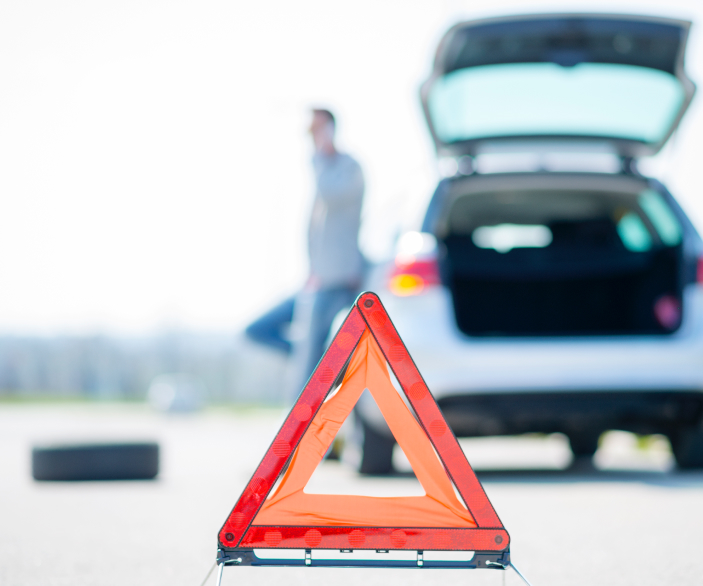
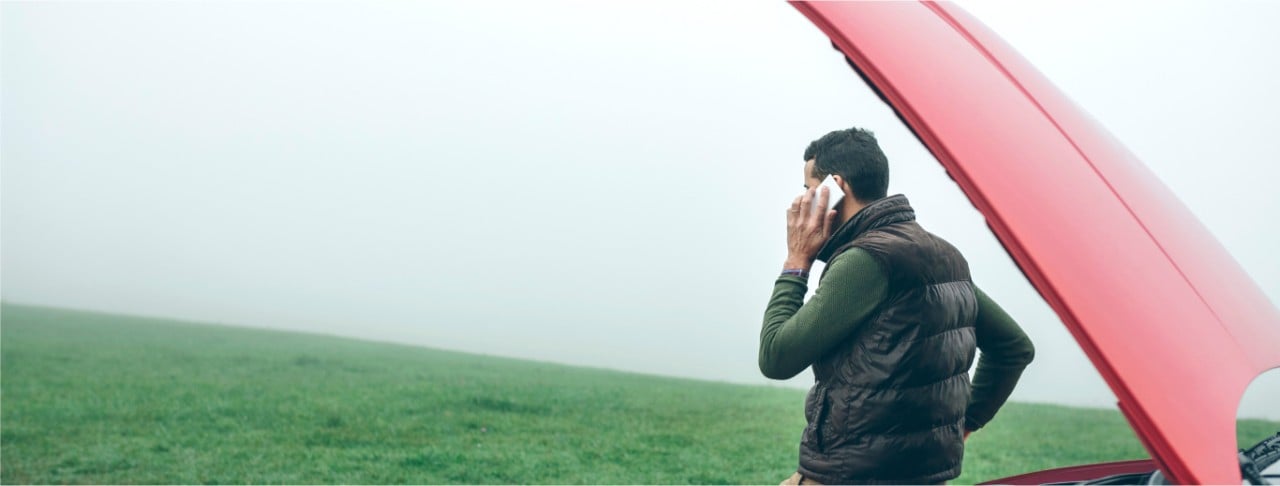
Remember not to panic – treat the breakdown abroad as you would in the UK. This means pulling over to a hard shoulder, if possible, and moving yourself and passengers to a safe spot, ideally behind a barrier at the side of the road.
'It’s incredibly important to get out of the vehicle safely, and stand away from and behind the stopped car, when you break down on a motorway anywhere in Europe', says Jake Moody, underwriter at Allianz.
Taking note of that country's emergency number and keeping it in the car is also wise, although it is typically 112 throughout most of Europe.
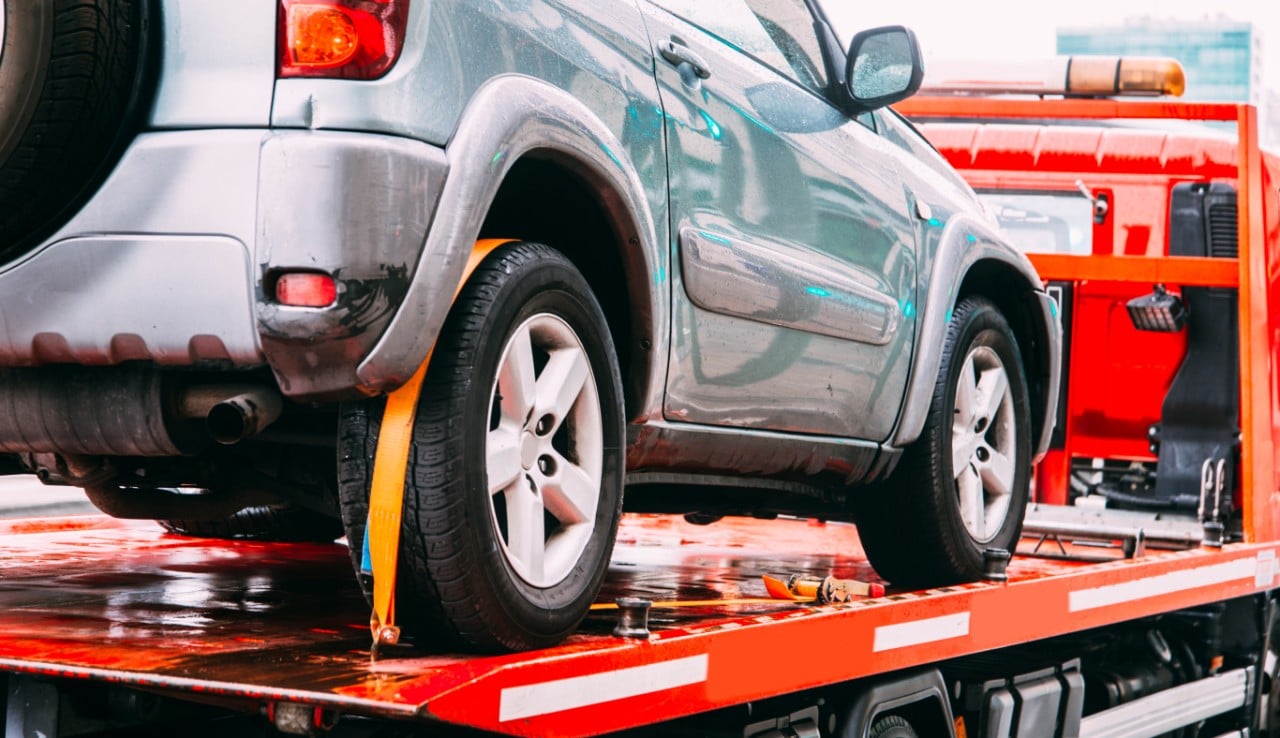
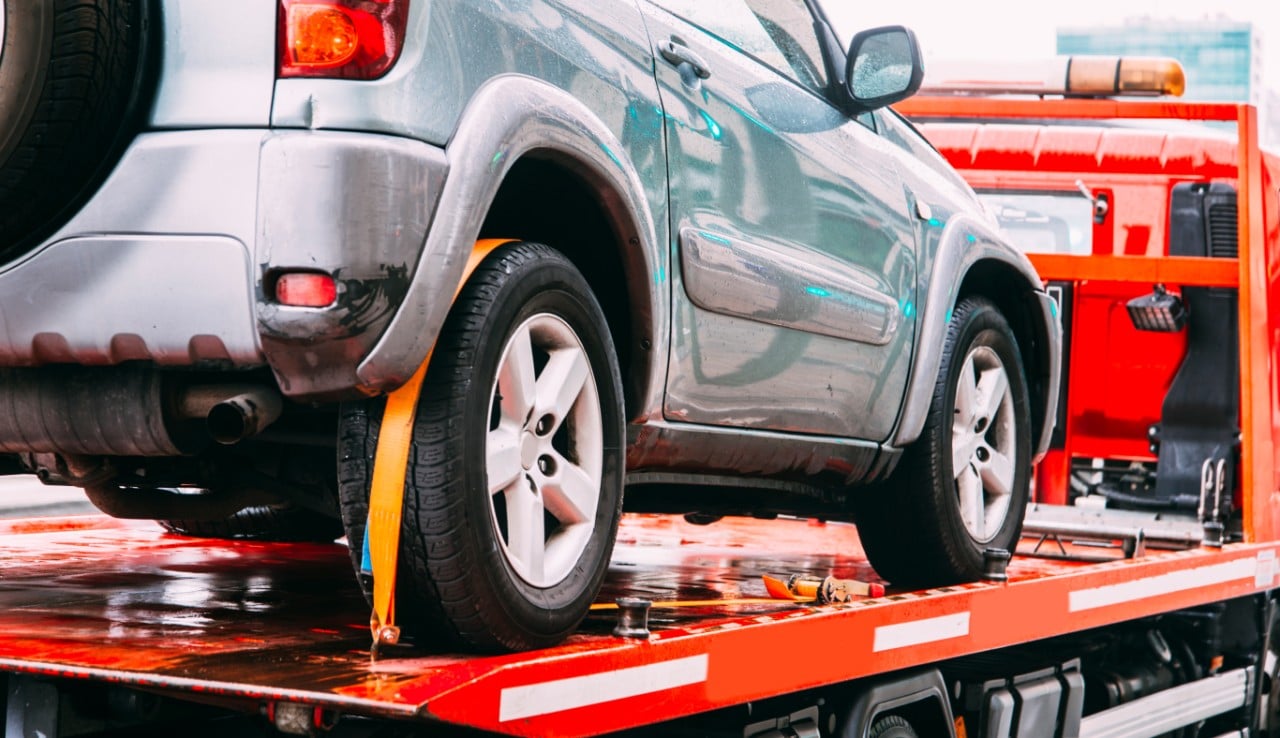
Good European breakdown cover will not only have an emergency breakdown vehicle dispatched to your location, it’ll also recover a stricken vehicle, so make sure to keep that number in the car too. The phone number for European breakdown may be different abroad to make it cheaper to call.
Make sure you read the small print of any policy: are you liable for hire vehicle and accommodation costs if your car breaks down?
Be sure you have the appropriate cover for driving abroad by checking your breakdown insurance well in advance of your trip. Britannia Rescue offers:
- Roadside assistance and recovery to a local place of repair in Europe and a national recovery in the UK
- We'll also arrange repatriation and transport of your vehicle back to the UK if it’s not fixed in time for your return journey
- Alternative travel arrangements if you break down before your trip or when in Europe
- Fix your vehicle at the roadside whenever we can and Overnight accommodation or a hire car if repairs can't be completed in time for your return journey
What do I do if I've broken down abroad?
Just as in the UK, any good breakdown service will aim to have you fixed at the side of the road so you can be on your way as quickly as possible.
If your car can't be fixed at the side of the road, it will often be taken to a local garage to be repaired, which can mean some local lingo will be needed, so keep a phrasebook or an equivalent smartphone app handy.
Of course, any good breakdown cover will equip you with a hire car (and cover the costs), so you can get on with enjoying your holiday while the family wheels are out of action.
‘Always make sure your breakdown cover extends to the countries you’ll be visiting and that it includes benefits such as a hire car if yours can’t be fixed,’ says Jake.
‘Also check that your car will be repatriated to the UK if it can’t be fixed in time for your return journey.’
What should I do if I’m in an accident abroad?
As you would in the UK, call the emergency services if it’s a serious incident and contact your insurer as soon as you can. Depending on the severity of the accident and if there are any injuries, try to move to a safe place as described above (behind a barrier and behind the final stopped vehicle) before making any calls.
When you call your insurer, give as many details as you can about the incident – including details of any other vehicle or person. If you can take any photographs of the vehicles and incident scene, then these may also be useful.
You may get asked to sign a Constat or incident report form; this is a legally binding accident report form in European countries providing the circumstances and party details that has to be signed by both parties. If you can, check the document before signing and keep a copy.
It pays to prepare for every eventuality – especially as some EU countries require you to carry safety equipment as standard. And getting the right breakdown cover will give you peace of mind for the journey ahead.